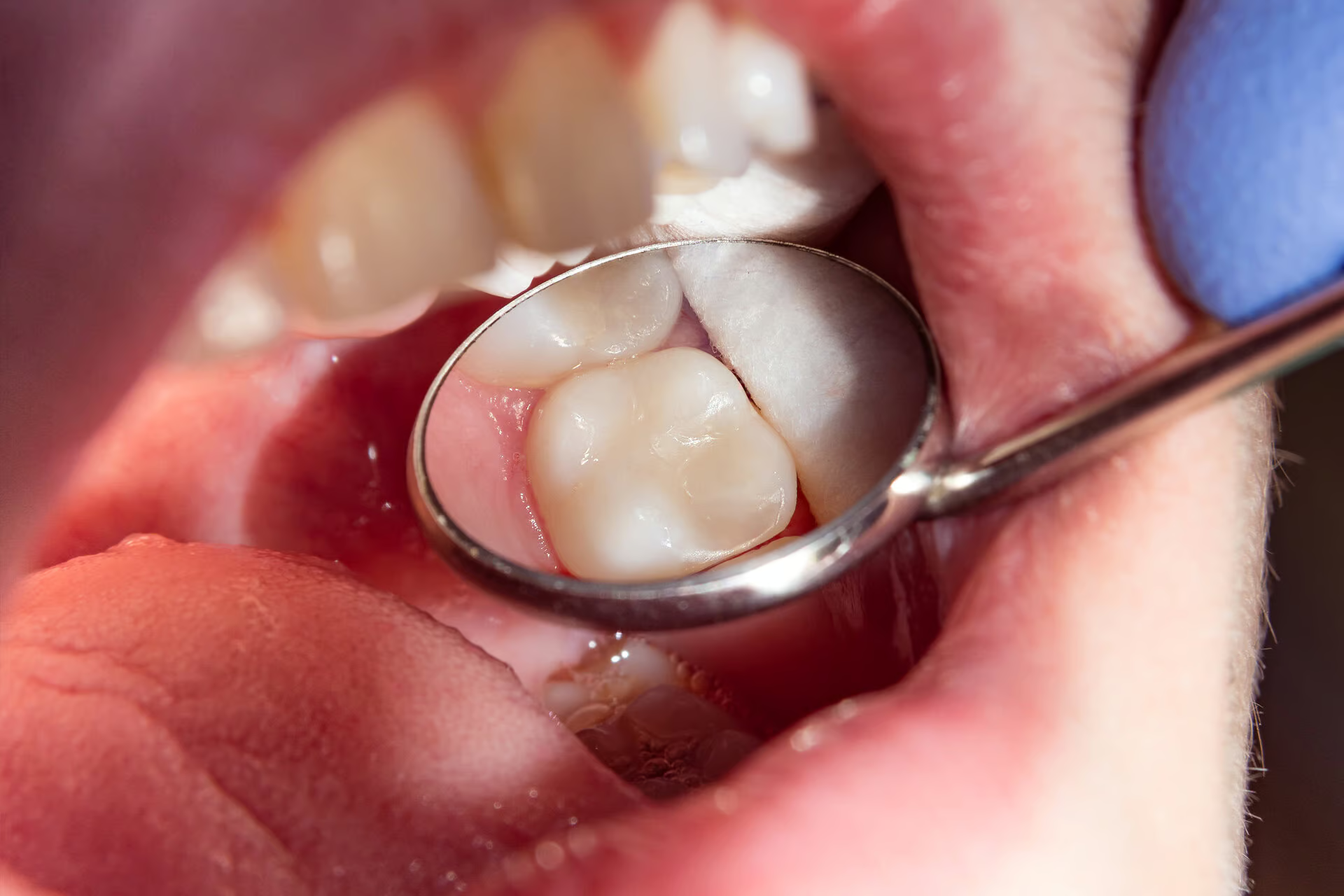
Most parents expect their child’s teeth to arrive in a fairly predictable order, so a gap that stays empty for months tends to raise questions. Sometimes the reason is a supernumerary tooth, which is a tooth that has formed on top of the usual set. It can sit quietly out of sight, or it can crowd and block the teeth around it. Parents who search for an extra tooth child question are usually in one of two spots: they’ve just been told about one after an x-ray, or they’re wondering why an adult tooth hasn’t appeared yet. Either way, a few plain facts make the next conversation with your dentist much easier.
Supernumerary Teeth in Children: The Short Version
- A supernumerary tooth is an extra tooth beyond the normal set
- Many are found by chance on a routine x-ray
- A late or missing adult tooth can be the first clue
- Some are monitored, others are removed
- The right approach depends on your child’s mouth
What a Supernumerary Tooth Is
Children normally have 20 baby teeth, followed by 32 adult teeth. A supernumerary tooth is any tooth beyond that count. Some look like a regular tooth. Others are small, cone-shaped or peg-like, and don’t resemble a tooth much at all. Some break through the gum, while extra teeth growing deep in the jaw can stay hidden for years.
What causes an extra tooth in children isn’t fully understood. Dental references point to a mix of factors, including family patterns and, in some cases, links with certain genetic conditions. It isn’t caused by anything a parent did.
Where Supernumerary Teeth Can Form
Extra teeth can turn up in several parts of the mouth, though two areas come up most often when dentists talk about children.
Mesiodens Between the Upper Front Teeth
A mesiodens is an extra tooth that forms in the middle of the upper jaw, between the two front teeth. It’s often small and cone-shaped, and it can stay buried. When it does cause trouble, it might push the front teeth apart, tilt them, or stop one of them from coming down at all.
Extra Teeth in the Premolar and Molar Regions
Further back in the mouth, an extra tooth can form beside or behind the molars, or among the premolars. These can look quite similar to normal teeth, which makes them easy to miss by eye. They tend to be picked up on an x-ray, and they’re more likely to cause crowding than a missing tooth.
Why a Supernumerary Tooth Is Often Found by Chance
An extra tooth rarely hurts. A child with a hidden one usually eats, brushes and smiles like any other child, so there’s nothing to prompt a visit. Instead, it tends to show up during a routine appointment. Healthdirect notes that x-rays at a dental check-up can show teeth that haven’t come through the gums properly, which is often how an extra tooth is first spotted.
That’s one reason regular visits matter for kids. A relaxed children’s dentist appointment gives your dentist a chance to look at how teeth are developing, not only whether there’s decay.
When a Delayed Adult Tooth Can Be the First Sign
Why is my child’s adult tooth not coming through? It’s a question many parents ask, and a supernumerary tooth is one possible answer. Timing varies a lot from child to child, so a late tooth isn’t automatically a worry. But some patterns are worth mentioning to your dentist:
- A baby tooth lost months ago, with no adult tooth showing
- One front tooth through, its partner still missing
- A gap opening between the upper front teeth
- An adult tooth coming in tilted or twisted
An extra tooth is only one possible cause. Other things can slow a tooth down, including crowding, a baby tooth that’s stuck, or simply a slower schedule. An x-ray is the quickest way to tell which it is.
What an X-Ray Can Show About an Extra Tooth
So how are extra teeth found on x-ray? Teeth.org.au explains that dental x-rays let dentists see under the surface of the gums and teeth, and can show extra teeth, missing teeth and teeth blocked from moving into the mouth. They also show how teeth are developing under the gums, which is what makes them useful for children.
A children’s dental x-ray review in Springfield usually starts with a standard image of the whole mouth or the area of concern. If something looks unusual, your dentist may ask for a closer or more detailed view.
Position, Angle and Depth
Once an extra tooth is on the image, your dentist looks at three things. How deep is it sitting? Which way is it pointing? And how close is it to the tooth roots and the path the adult teeth need to take? A tooth sitting high and pointing forward is a different case from one deep in the bone and angled sideways.
Whether Nearby Teeth Are Affected
The next question is what the extra tooth is doing to its neighbours. Your dentist checks for crowding, gaps, tilting, roots that are still forming, and any adult tooth that seems to be held back. Sometimes there’s no effect at all, and sometimes the effect is clear straight away.
Removal Compared With Monitoring
Does a supernumerary tooth need removing? Not always. If it isn’t blocking, moving or crowding anything, your dentist may suggest keeping an eye on it with regular check-ups and x-rays. Removal tends to come up when an extra tooth:
- Is blocking an adult tooth
- Is pushing teeth out of position
- Is likely to cause crowding
- Is making orthodontic planning harder
Timing is where it gets less clear-cut. Some dentists prefer to act early, before the neighbouring teeth are affected, while others wait until the child is old enough to manage the procedure and the nearby roots have developed further. There’s no single rule that suits every child, and an eruption assessment in Springfield Lakes or anywhere else should lead to a plan built around your child.
If removal is suggested, the approach depends on whether the tooth has come through the gum. One that’s visible can often be taken out as a tooth extraction, while one deep in the jaw may need a minor surgical approach, sometimes with a referral.
How a Supernumerary Tooth Can Affect Orthodontic Planning
An extra tooth can change the shape of the whole bite. It can leave gaps, create crowding, or shift a front tooth off course, and those changes sometimes need more than removal to fix. That’s where orthodontics comes in. If your dentist has found a supernumerary tooth, a tooth development check in Augustine Heights or your own area helps track how the surrounding teeth are responding, so any orthodontic needs are picked up early rather than late.
Frequently Asked Questions About Supernumerary Teeth
How Common Are Supernumerary Teeth in Children?
They’re uncommon, and most children never have one. When they do happen, it’s usually a single extra tooth rather than several. This is general information only, and your dentist can tell you what an x-ray shows for your child.
Does a Supernumerary Tooth Always Need Removing?
No. Some are left alone and monitored, particularly when they aren’t affecting nearby teeth. Whether removal makes sense depends on the tooth’s position and what it’s doing, and treatment suitability depends on individual circumstances.
Why Has My Child’s Front Tooth Not Come Through?
There are several possible reasons, from normal variation in timing to crowding or an extra tooth in the way. A mesiodens is one possibility between the upper front teeth. Only an examination and x-ray can confirm the cause, and results vary between individuals.
At What Age Are Extra Teeth Usually Found?
Often during childhood, when adult teeth are developing and x-rays are taken at check-ups, though it can be earlier or later. For a paediatric consultation in Brookwater or elsewhere, the right timing is whenever your dentist thinks a closer look is useful. This is general information and doesn’t replace advice about your child.
Will My Child Need Braces Afterwards?
Not necessarily. Some children’s teeth move into place once the extra tooth is gone, while others need orthodontic guidance later. It’s hard to predict in advance, and what your child needs depends on their own bite and how the teeth settle.
Booking a Children’s Dental X-Ray Review
If your child’s adult tooth is running late, or you’ve been told about an extra tooth and want to understand your options, the team at Robelle Dental Centre can talk it through. A children’s dental x-ray review in Springfield is a calm first step, and you can book an appointment whenever suits you.